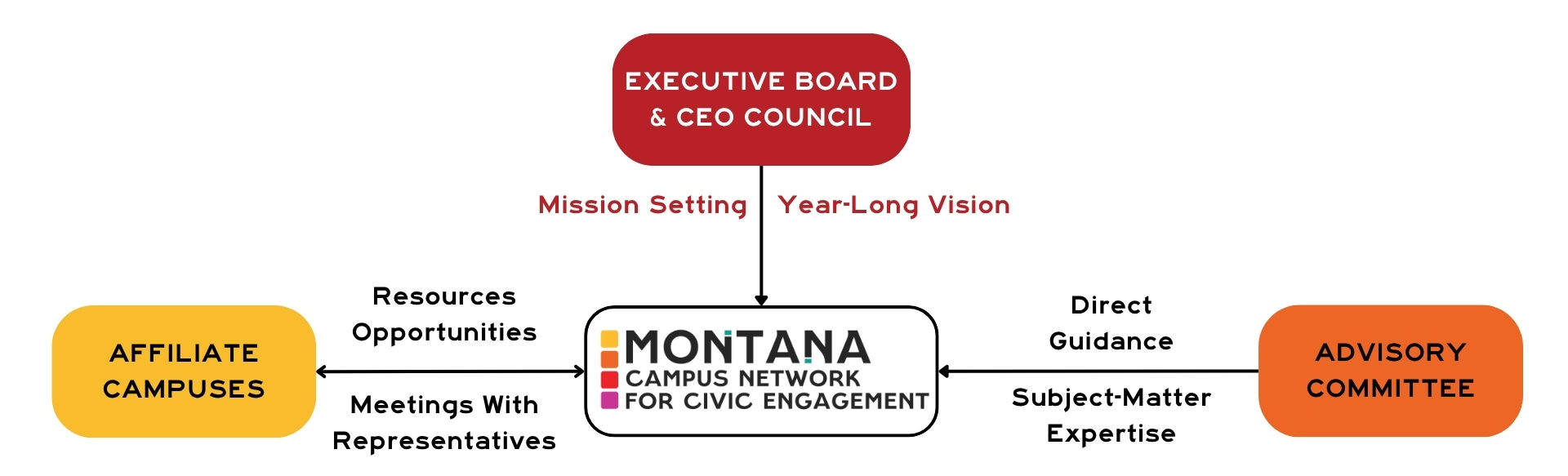
Montana Campus Network for Civic Engagement (MCNCE) partners with a coalition of 18 higher education institutions across the state with the mission of building stronger, more engaged communities across the state through education and civic involvement. It is then through the oversight and the strategic guidance of our Advisory Committee and Executive Board & CEO Council that we are able to set our objectives, plan for the future, and advance our mission.

Montana Campus Network for Civic Engagement (MCNCE) proudly represents a diverse coalition of 18 higher education institutions across the state. Our affiliate campuses include a vibrant mix of 2-year, 4-year, Tribal colleges, and flagship universities, each dedicated to fostering civic engagement, community service, and educational excellence.
Aaniiih Nakoda College provides quality post-secondary education for residents of the Fort Belknap Indian Reservation and surrounding communities. The college promotes individual and community development by maintaining and revitalizing the indigenous lifeways of the Aaniinen and Nakoda Tribes and by preparing students to succeed in an American technological society.
Blackfeet Community College provides the Blackfeet Nation and our “universal community” access to quality educational programs that prepare students for achievement in higher education, meaningful employment, basic skills instruction, and community education, while integrating the Blackfeet culture and language.
Carroll College is a Catholic, diocesan, liberal arts college in the ecumenical tradition of the Second Vatican Council. (read more)
Chief Dull Knife College is a community based, land grant, and tribally controlled community college established to provide quality educational opportunities to residents of the Northern Cheyenne Reservation and surrounding communities. Inspired by Chief Dull Knife’s determination, Chief Dull Knife College’s mission is to provide Northern Cheyenne with a culturally influenced education through quality life-long learning opportunities.
Dawson Community College strengthens our community by providing quality education and empowering diverse learners to achieve their educational goals.
Flathead Valley Community College promotes excellence in lifelong learning, focused on student success and community needs..
Fort Peck Community College serves the people of the Fort Peck Reservation and Northeast Montana by providing quality academic, vocational, and community based programs, empowering the next generation of workers, leaders and citizens while being entrusted with the preservation and promotion of Assiniboine and Sioux Culture.
Great Falls College MSU provides high quality educational experiences supporting student success and meeting the needs of our community.
Helena College University of Montana, a comprehensive two-year college, provides access to and support of lifelong educational opportunities to their diverse community.
Little Big Horn College offers high quality degrees, certificates and programs for professional, workforce, and personal development that brings prosperity and leadership to Crow Country; and preserves, protects, and perpetuates the Apsáalooke language, history, and culture.
Miles Community College prepares students for success and provides opportunities for lifelong learning through quality programs, community outreach, and partnerships.
Montana State University
As the state’s land-grant university, Montana State integrates education, creation of knowledge and art and service to communities.
MSU Billings delivers a transformative education that empowers students from diverse backgrounds to succeed.
MSU Northern provides higher education to students for professional and technical careers through an institution dedicated to teaching and the pursuit of knowledge.
Montana Technological University provides a transformative student experience by developing leaders and advancing science, engineering, and technology, with the purpose of
benefiting humanity while meeting the changing needs of society.
Salish Kootenai College provides quality post-secondary educational opportunities and support for American Indians, locally and from throughout the United States, to achieve their academic and career goals. The College will perpetuate the cultures of the Séliš, Ksanka, and Qlispe’ peoples. The College will impact its community through service and research.
The University of Montana transforms lives by providing a high-quality and accessible education and by generating world-class research and creative scholarship in an exceptional place. We integrate the liberal arts and sciences into undergraduate, graduate and professional studies to shape global citizens who are creative and agile learners committed to expanding the boundaries of knowledge and to building and sustaining diverse communities.
The University of Montana Western
As a leader and innovator in experiential education, the University of Montana Western educates undergraduate students through immersive practices in their field of study, strives for continuous improvement, and achieves evidence-supported student learning and achievement outcomes.
The Montana Campus Network for Civic Engagement’s Advisory Committee is a vital link between its leadership and member institutions. Composed of dedicated representatives from campuses across Montana, including faculty, staff, and administrators, this committee provides crucial insights and guidance to shape the network’s civic engagement initiatives.
With a deep understanding of the unique needs and opportunities within their institutions, Advisory Committee members collaborate to identify emerging trends, share best practices, and recommend strategies that enhance the impact of our programs. Their collective expertise ensures that our initiatives are effective and responsive to the diverse communities we serve.
Regular meetings of the Advisory Committee foster a collaborative environment where ideas are exchanged, progress is reviewed, and future activities are planned. Through their ongoing efforts, the Advisory Committee is integral in advancing the Montana Campus Network for Civic Engagement mission, helping to build stronger, more engaged communities across the state.
ADVISORY COMMITTEE MEMBERS

Christopher Pruden
Montana State University Bozeman

Jenah Mead
University of Montana

Kim Barrows
Aaniiih Nakoda College
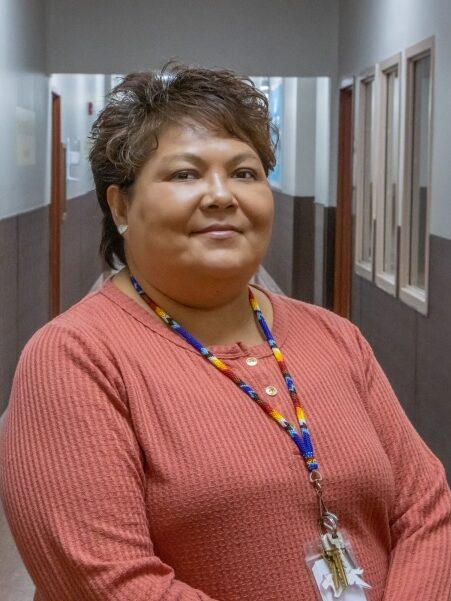
Elaine Little Plume
Blackfeet Community College
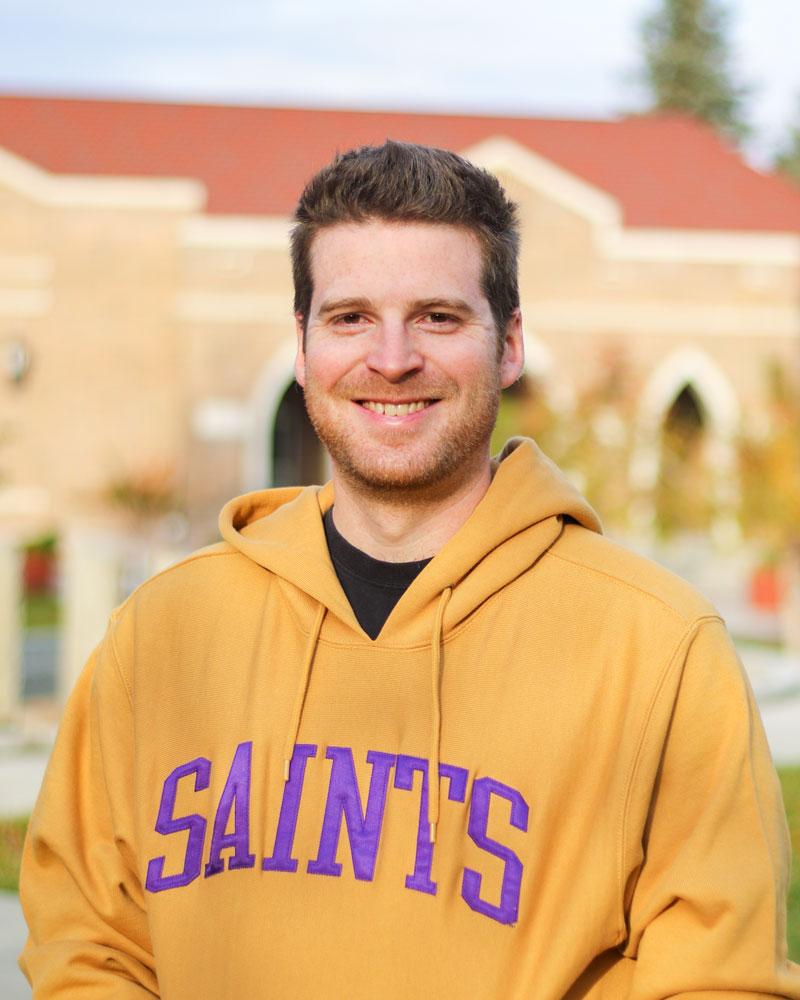
Cameron Ferguson
Carroll College
Morgan king
Chief Dull Knife College

Daisy Nyberg
Dawson Community College
Wendy Jeschke
Flathead Valley Community College
Leonore Standing Elk
Fort Peck Community College

Joshua Archey
Great Falls College – MSU

Katelynn Eberhardt
Helena College UM
Jade Three Irons
Little Big horn College
Patricia Whiteman
Little Big horn college
Rich Deshields | Chair
Miles Community College

Baillee Stenger
Montana State University Billings
Christa Merzdorf
montana state university Bozeman
Taryn Wallon
Montana State University Northern

Randy Bachmeier
Montana State University Northern

Madeline Thomas | V. Chair
Montana Technological University
Dustin Hutchins
Salish Kootenai College
Rebecca Manna
University of Montana Western
The Executive Board & CEO Council of the Montana Campus Network for Civic Engagement is pivotal in advancing civic engagement and community service across Montana’s higher education institutions.
Comprising presidents, deans, and chancellors from our member campuses, this governing body is dedicated to ensuring that our network remains a leading force in fostering civic responsibility, leadership, and service among students.
The Executive Board provides strategic guidance and oversight, shaping policies and approving initiatives that align with our mission. Meanwhile, the CEO Council advocates for civic engagement at the highest levels, securing institutional support and resources to drive impactful change across our state.
These leaders collaborate to uphold and expand the network’s commitment to building stronger communities through education and civic involvement.
EXECUTIVE BOARD
Sandra Bauman
Board Chair and Dean, Helena College UM
Eva Flying
President, Chief Dull Knife College

McCall Flynn
Executive Director, Montana Board of Public Education
Stefani Hicswa
Past Chair and Chancellor, Montana State University – Billings
Jennifer Glowienka
President, Carroll College

Jeremiah Shinn
President, University of Montana

Ron Slinger
Vice Chair and President, Miles Community College
Brock Tessman
President, Montana State University Bozeman
CEO COUNCIL
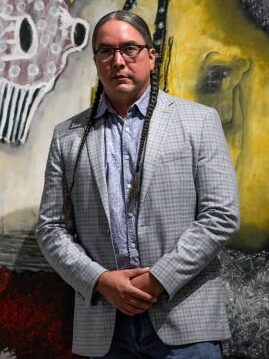
Sean Chandler
President, Aaniiih Nakoda College

Brad Hall
President, Blackfeet Community College
Jennifer Glowienka
President, Carroll College
Eva Flying
President, Chief Dull Knife College
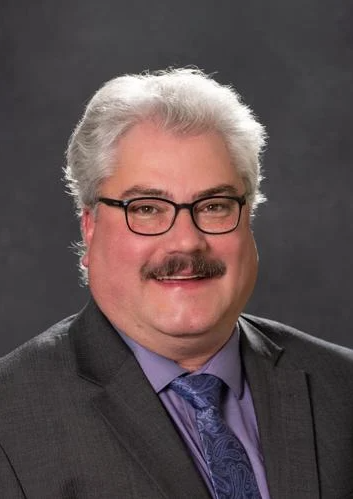
Chad Knudson
President, Dawson Community College
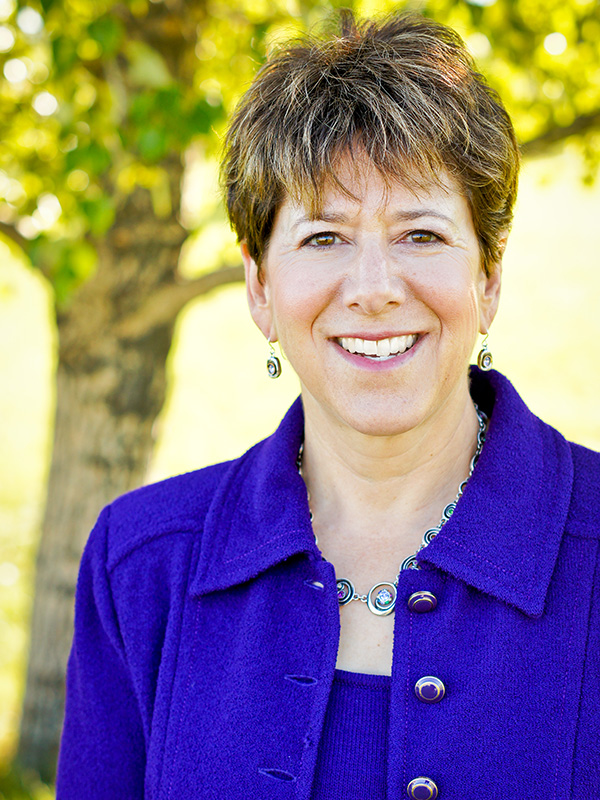
Jane Karas
President, Flathead Valley Community College

Craig Smith
President, Fort Peck Community College
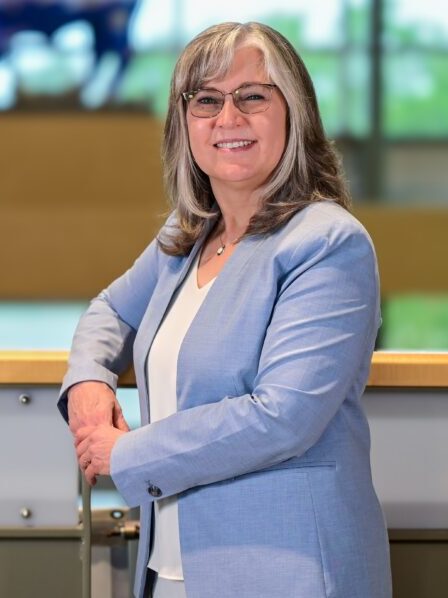
Leanne Frost
Dean, Great Falls College – MSU
Sandra Bauman
Board Chair and Dean, Helena College UM
Patricia Whiteman
Little Big horn college
Ron Slinger
Vice Chair and President, Miles Community College
McCall Flynn
Executive Director, Montana Board of Public Education
Stefani Hicswa
Past Chair and Chancellor, Montana State University – Billings
Brock Tessman
President, Montana State University Bozeman

Jennifer Brown
Interim Chancellor, Montana State University – Northern
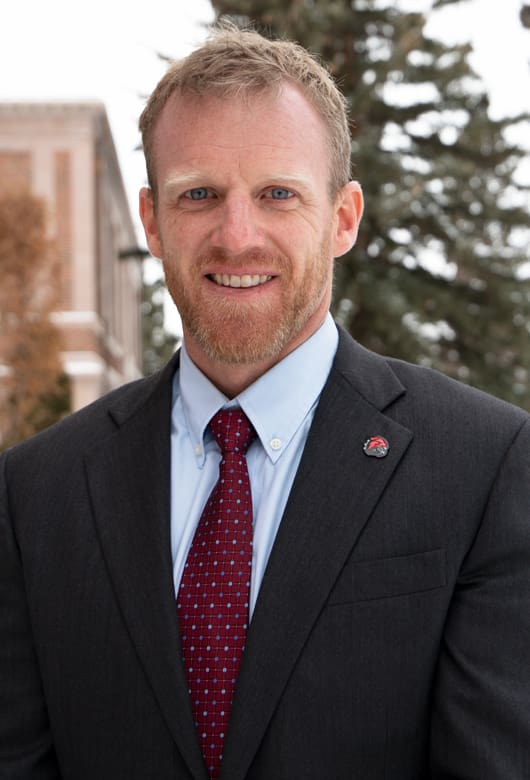
Johnny MaClean
Chancellor, Montana Technological University
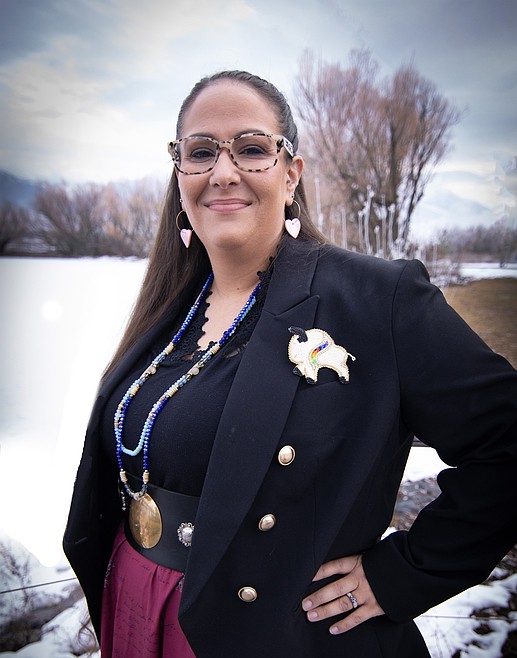
Michael Munson
President, Salish Kootenai College
Jeremiah Shinn
President, University of Montana
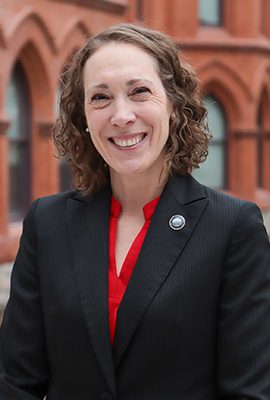
Estee Aiken
Chancellor, University of Montana – Western
Through the mid-1980s and early 1990s there was a great deal of new activity and organization across many sectors to better respond to community needs, and strengthen American democracy. Some examples include Campus Compact, founded nationally in 1985, Points of Light in 1990, the Corporation for National and Community Service in 1990 and AmeriCorps shortly after, The Campus Opportunity Outreach League, and more.
In Montana, this time saw the creation of the Governor’s Office of Community Service, and the Montana Commission on Community Service, two influential bodies that have advanced service and volunteerism in Montana. Higher education administrators took action and decided to organize themselves around a common charge of “educating students and building communities,” and began to invest in a small organization that trained faculty, provided resources and expertise, researched and published on campus-community engagement and community-based research, and helped bring together the community of higher education staff and faculty to share best practices, grow the field and act collectively for a greater impact.
Throughout the 1990s, 2000s and 2010s, the network won numerous federal Learn and Serve America and AmeriCorps grants, and successfully administered programs that trained faculty in service learning pedagogy, and which placed college student AmeriCorps members in service in schools, nonprofits and with government partners. The Faculty Fellows (Learn and Serve) and Campus Corps (AmeriCorps) programs engaged hundreds of participants, leveraged several million dollars in grant funds and AmeriCorps Education Award for Montana College students. In 2000, the network won its first AmeriCorps VISTA grant, and began offering anti-poverty, capacity building VISTA members to its affiliate campuses and to community nonprofits and schools. The network has operated a VISTA grant as an intermediary organization, supporting anti-poverty, education-focused capacity building work in Montana ever since.
In 2014 the CEO Council voted to amend its bylaws and created a standing Advisory Committee, which would convene more regularly than the board, for the purposes of advising the network office and advancing its mission. The Advisory Committee has been co-chaired by staff and faculty members from the network since its inception. These leaders set the agenda and work collectively on important campus-community engagement needs. In 2015, to honor the 20th anniversary of AmeriCorps, thirteen campuses voted to begin offering campus funding to match the AmeriCorps Education Award, a match which continues.
Beginning in early 2023 the CEO council charged staff with leading a robust change process, including listening sessions, strategic planning and community needs assessment. Over the course of the winter and early spring of 2024, staff and CEOs, Advisory Committee members, funders and supporters
What resulted from those months of focused work, conversations and listening was a new network called the Montana Campus Network for Civic Engagement, a clear focus on providing support for student community engagement, and a clear commitment to service from Montana’s higher education community and what was born was the Montana Campus Network for Civic Engagement!