

November 2, 2026
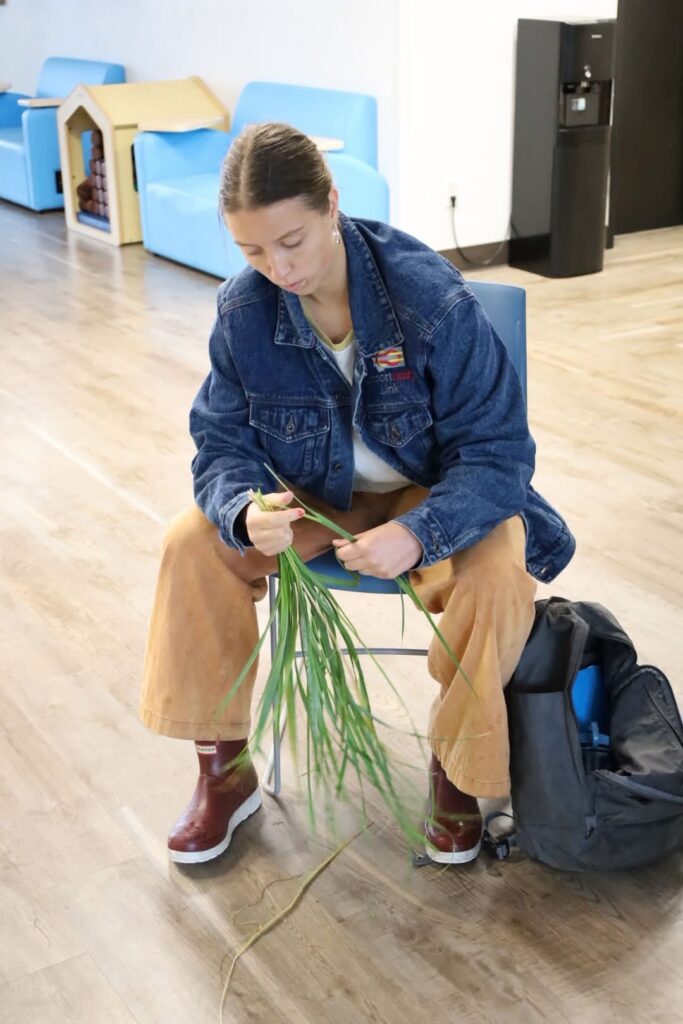
Figuring out my next step after graduating wasn’t easy. Since joining the Environmental Studies program at Gonzaga University, I have developed a strong set of values centered on environmental protection and a desire to find work that makes a positive difference in the world.
These values and interests led me to an AmeriCorps VISTA position as a Local Foods Coordinator at Opportunity Link, a nonprofit organization in Havre, Montana. In this role, I partner with tribal communities to build capacity for food sovereignty initiatives that strengthen food security, preserve cultural traditions, and promote community self-determination.
As I approach my third month here, I am fascinated by the tremendous learning and progress that has been made in such a short amount of time. Having a background and passion for connecting people to their food made it easy to start my term with an abundance of ideas for projects for building capacity. Although I was full of excitement, I was also cognizant of the consequences that could come from acting impulsively on my ambition.
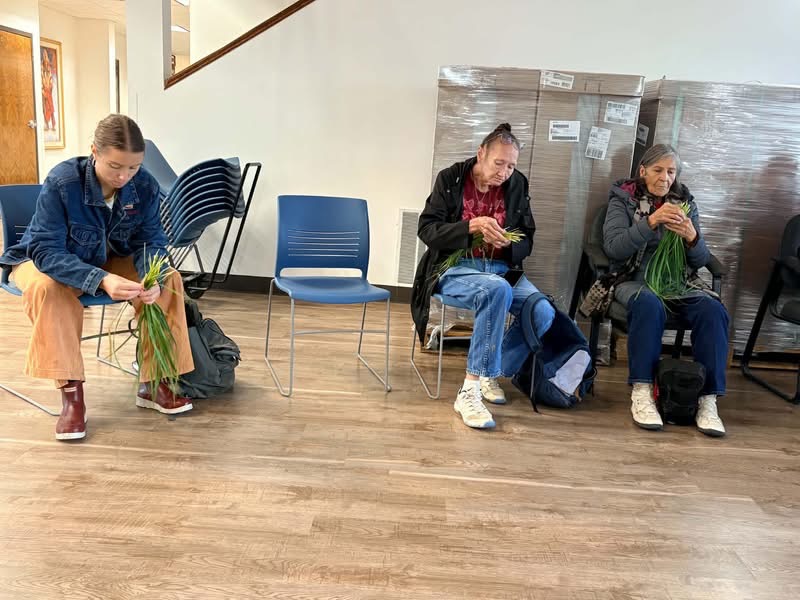
Slowing down to listen, learn, and understand community needs has been essential to shaping ideas into meaningful action. This has been particularly important, and at times challenging, as someone who is not Native and is new to the region. I’m continuously reminded that growing relationships and trust takes time. Practicing patience has helped me to understand the comprehensive story behind tribal community challenges.
Over time, I have connected with key community members who share a passion for advancing food sovereignty and strengthening local food systems. Together, we are drawing on our collective knowledge and experiences to develop a project that directly addresses community needs: a Food Sovereignty Toolkit. This podcast series serves as a resource for Tribal community members. The objectives of the podcast are to provide an accessible, educational, and entertaining resource; share digestible information related to food sovereignty; and inspire action that contributes to hunger reduction and self-sufficiency. For many individuals living in Tribal communities, balancing immediate needs related to food insecurity with efforts to develop practical, long-term solutions can be challenging due to personal circumstances and systemic barriers. The podcast is a resource for accessible education that bridges the gap between addressing immediate hunger and increasing capacity necessary for sustainable food sovereignty.
Right now the project is still in the early stages. With continuing patience and understanding the bigger picture I am confident that through community-led efforts, we can develop lasting resources that support tribal communities in advancing food sovereignty.
