by Aubrey Pfalzgraf | September 5, 2025
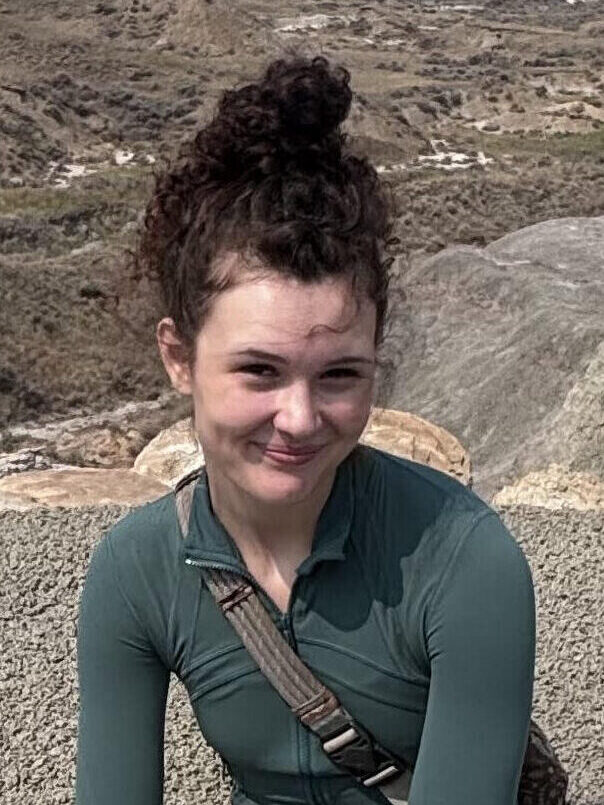
I have the pleasure of having a year of experiences ahead on the Fort Peck Reservation in Eastern Montana. I am serving on campus at Fort Peck Community College building a natural resources curriculum reflective of the traditional ecological knowledge (TEK) of the area. How cool is that? I have been out here for a few days short of a month, and I am really living the dream in terms of a perfect placement. The projects are placing me right into a mix of my interests and learning new skills that I feel challenged and extremely excited to show up each day. I am so thankful for the wonderful community I am being hosted by in the Assiniboine and Sioux, and the kindness extended by my wonderful site manager Joanne Stewart. I am excited to serve the rest of my term out here in Poplar, I am right where I am supposed to be.
The buffalo are the biggest Natural Resource that the tribes on the Fort Peck Reservation currently utilize. Though they had an established herd of “cultural bison” since 1989, these bison had cattle genes. The Assiniboine and Sioux tribes are unique in that they were the first tribe to receive back purebred buffalo from Yellowstone National Park in 2012. Since then, their buffalo ranch has been a leader in buffalo reintroduction to other tribes. They own the only tribal bison quarantine facility, and work with tribes as far as Alaska to reintroduce purebred buffalo to their ancestral land.
As a keystone species, thriving life in the plains region relies on buffalo reintroduction. This has been known by the Assiniboine and Sioux for time immemorial, and it is heavily reflected in their beliefs and practices surrounding these beautiful animals. For the year I am serving, I am tasked with finding creative solutions to navigate building a curriculum that is culturally aware, has ample input and teachings from tribal members, and provides a holistic learning model with TEK while still covering important Western science standards. On top of that, it needs to be accessible to students who are mainly completing courses remotely.
Outside of my VISTA service with FPCC, I am overcoming some growing pains that are a reality of being in a new place. Transitions are wonderful and change is good, and I am a gelatinous goop inside a chrysalis-like casing. I think my natural demeanor caters towards the ability to adapt to the environments I find myself in, so I love the experience. Being in a small community and remote area does not affect me as much as it may other people; I enjoy my solitude, and my routine matters most in terms of my ability to thrive. That is slowly getting more consistent and established as I settle in.
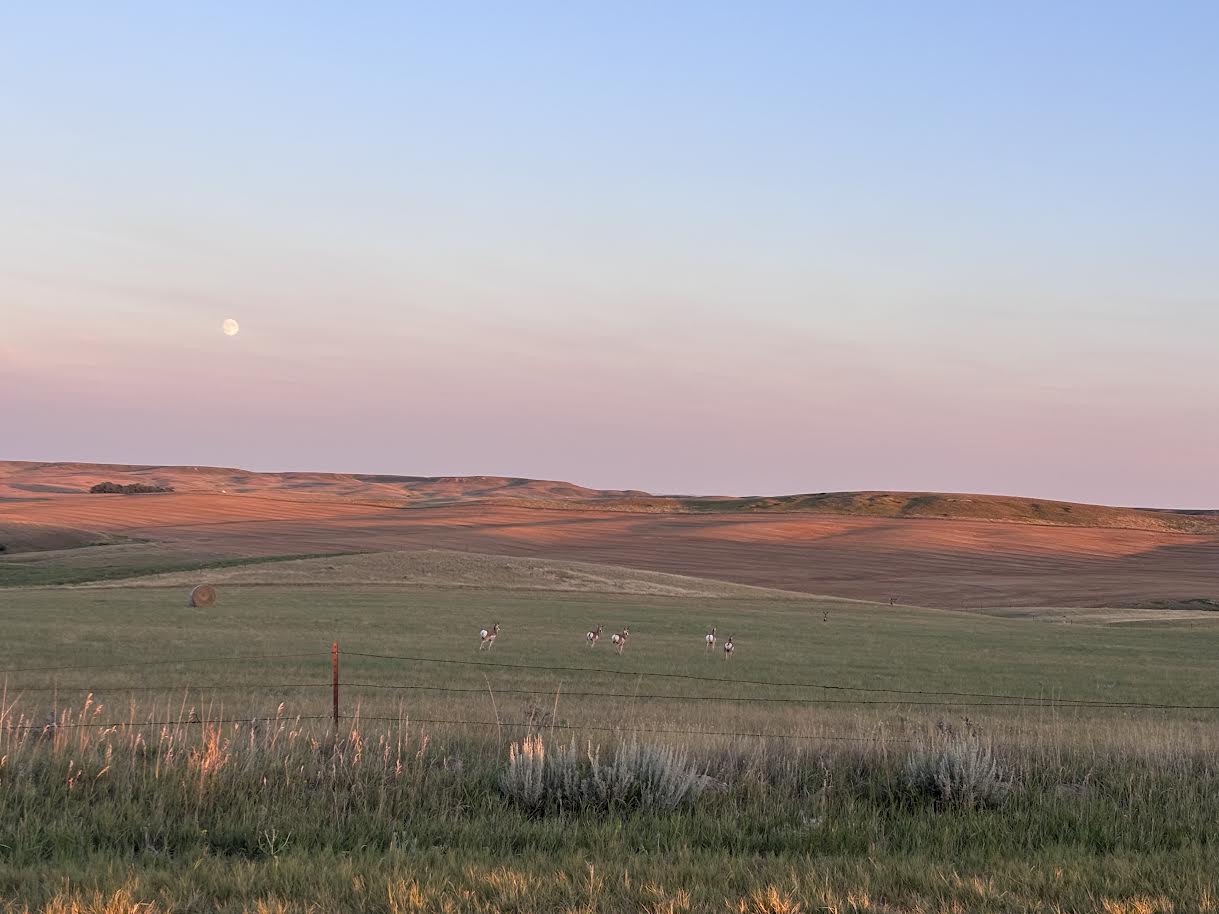
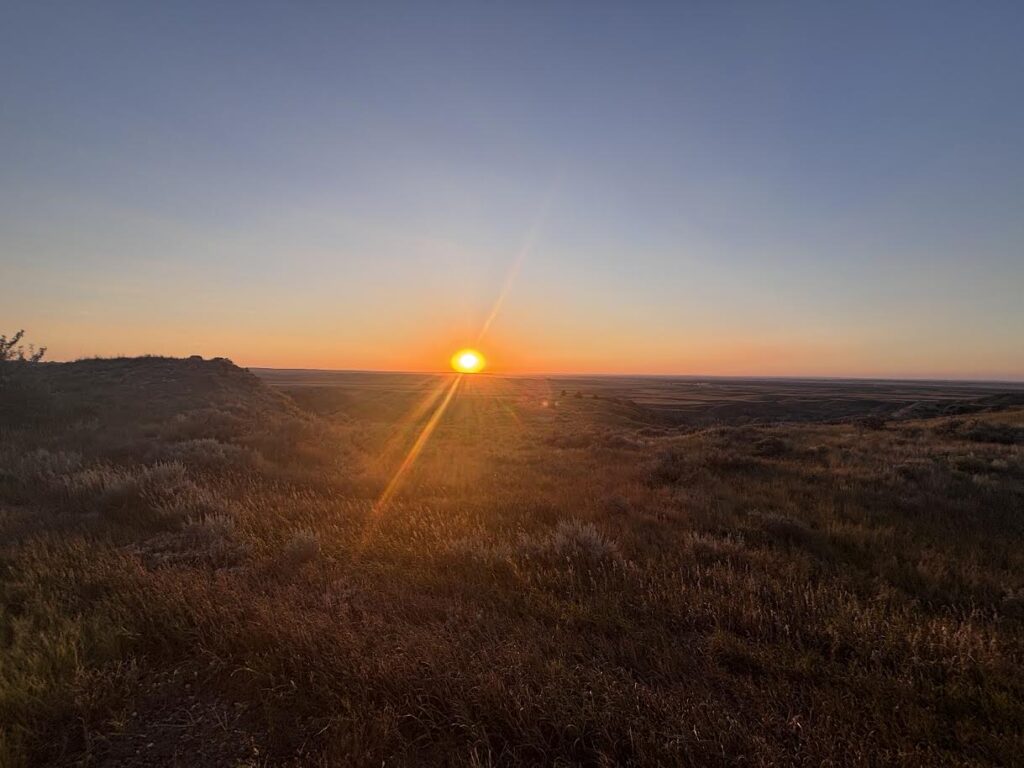
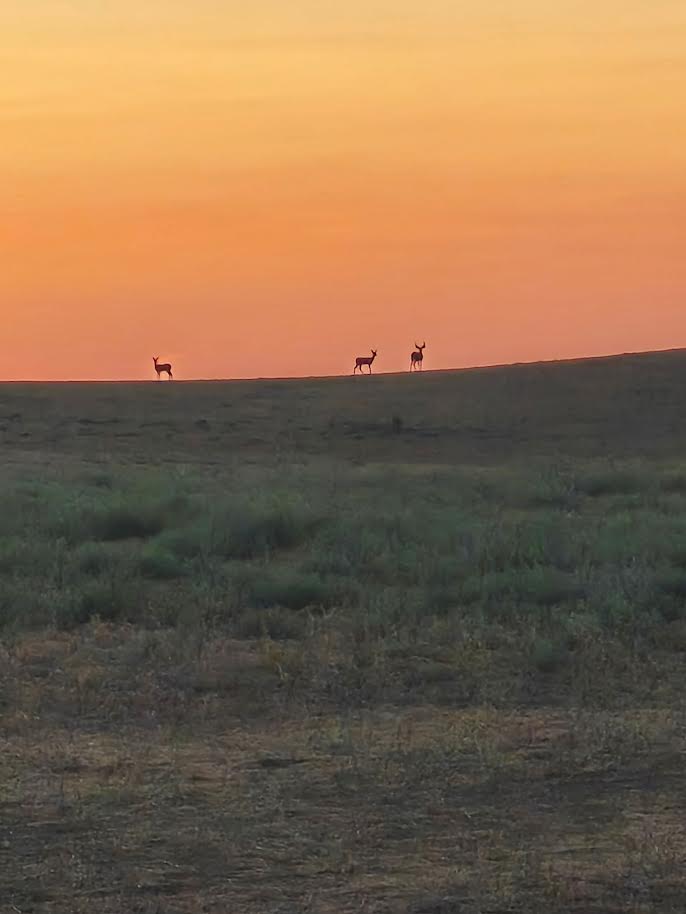
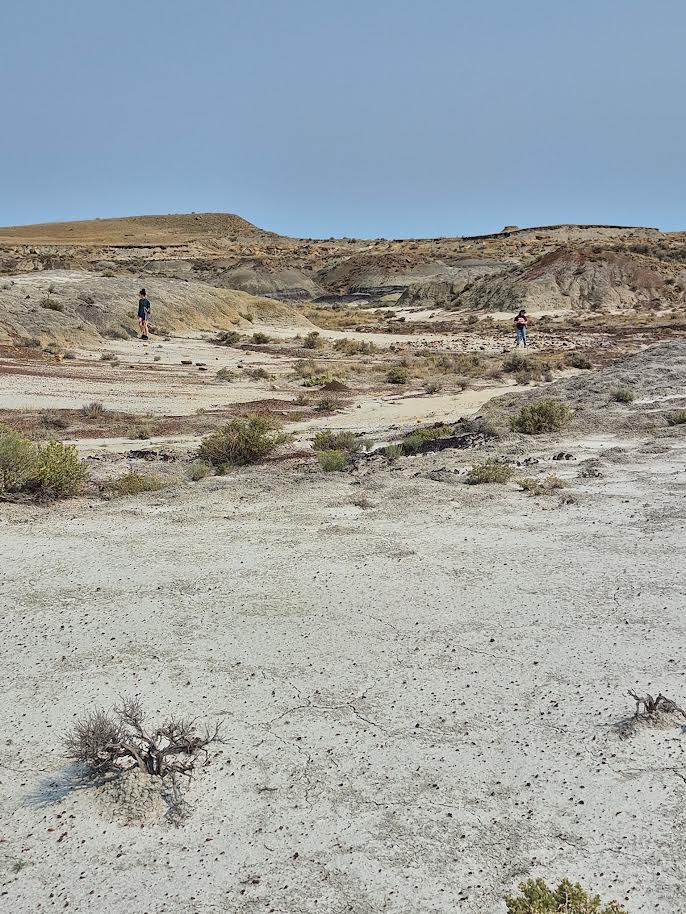
It is interesting living somewhere with an entirely new landscape that faces different challenges than where I lived back home in Western Washington. As someone who can be very sensitive to the world around me, I find myself deeply connected with my environment fundamentally. Something that benefits me is sitting quietly with a natural space and writing about it. My time in Poplar is no different. Part of my routine includes this practice, it helps me be mindful and grounded in where I am. To close my blog post, here is an excerpt about the land and natural spaces here that I wrote:
“…the resilient grit is infectious. The land here tells me that plants grow best if it is burnt sometimes and turned over and shoved apart and together. It doesn’t beg for buf alo and birds or for people to remember how to listen. Rather, it still sings a song that many people here are learning to dance with again.
Here I am, some crazy haired someone-or-other with no real ties to the land. I know next to nothing about her, but it is as though the land’s instinctual reaction is to make a fuss like a well-meaning grandma, arms akimbo. She’s hardly given me a chance to introduce myself before she’s assessed me head
to toe, clucked her tongue, called me skin and bones and handed me an overflowing plate of knowledge and reassessment of my character with no space for polite refusal.”